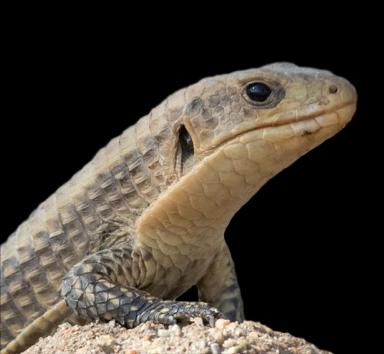
Obesity is a fairly common problem with captive reptiles (and pets in general, actually). Although rough-scaled plated lizards naturally have a chunky-looking body shape, their body should appear relatively streamlined and proportionate. Heavier individuals with a disproportionate appearance should be evaluated for possible obesity. If you’re not sure what “healthy” looks like, reference photos of healthy wild rough-scaled plated lizards on sites like iNaturalist.org.
First, reevaluate your husbandry. Are you feeding your plated lizard too often? Are temps too low? Is your enclosure too small to facilitate an active lifestyle? Does your lizard not have enough opportunities for enrichment? Correct as needed.
Reduce frequency of feedings and portion size. If you aren’t already, add more vegetables to its diet and reduce fruit treats.
Encourage exercise with a larger enclosure and more frequent handling (the latter should only be attempted if your plated lizard is tame).
Weigh your plated lizard weekly with a kitchen scale to measure progress. If your pet hasn’t lost weight after a month, consult a certified exotic veterinarian. There may be a deeper problem to blame.