This page contains paid links (details here) as well as links to the official ReptiFiles store. Purchases made from these links help fund my reptile welfare research and educational efforts. Thank you for your support!
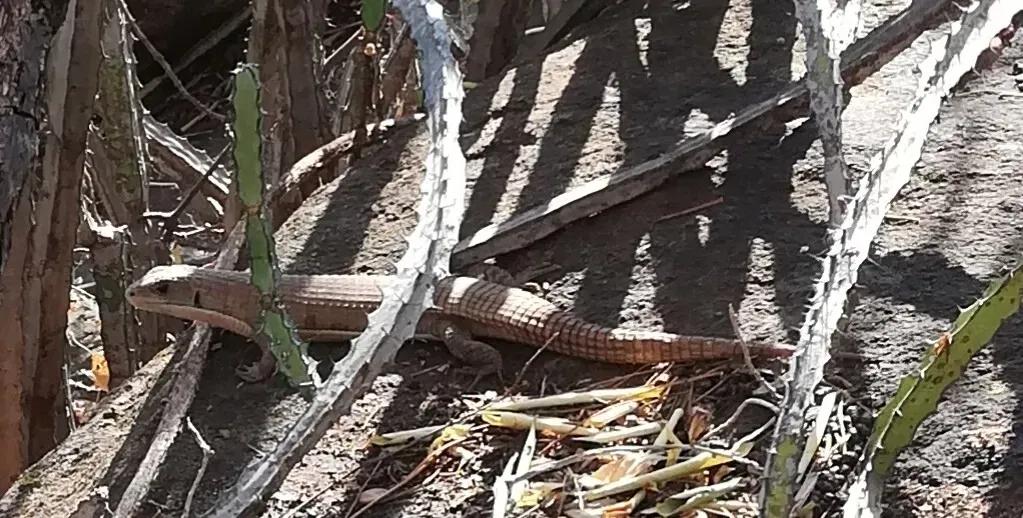
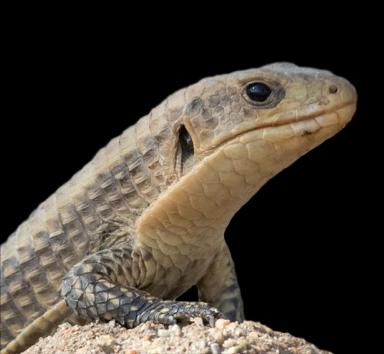
“Photo 52030617” by Zarek Cockar is licensed under CC BY-NC 4.0
Water is one of the most critical elements of life. That’s why people are so obsessed with finding it on other planets — where there’s water, there’s bound to be life. So even in environments that we think of as fairly dry and arid, water is required to sustain the life there, whether in bodies of water, in the air, in the soil, or in the food chain. As such, you need to consider Sudan plated lizard humidity needs as you set up your enclosure.
In the Sudan plated lizard’s natural habitat, there are two short wet seasons in between long dry seasons. According to data on ClimatesToTravel.com, these periods of rainfall typically occur between March-May and November-December. The first wet season in March is typically much heavier than the second wet season in November. The first wet season is also typically hot and humid, with daily afternoon showers.
Sudan plated lizards are native to areas that average 40-60% ambient (air) humidity, even in the dry season. In captivity, a range of 20-80% humidity seems to work well. These lizards need both dry areas of 20-40% humidity and moist areas of 50-80% humidity to thrive.
So how do you fulfill these unique Sudan plated lizard humidity requirements in your enclosure? Here’s some strategies to use:
You can measure humidity levels with a digital hygrometer, with the probe placed on the cool end of the enclosure (that’s where humidity will naturally be highest). I prefer to use a combined digital thermometer and hygrometer like the Zoo Med Thermometer Humidity Gauge for this purpose. To identify exact relative humidity anywhere in the enclosure, it’s better to use a handheld digital hygrometer like the Mengshen Humidity Meter, which operates pretty much like a temp gun.
Note that your Sudan plated lizard may poo in their water dish regularly. This is a normal behavior. When this happens, immediately clean the bowl with a disinfectant like F10SC or chlorhexidine and replace with fresh water. For more information on drinking water for rough-scaled plated lizards, read the section of this guide on Feeding Your Plated Lizard.
This page contains affiliate links.