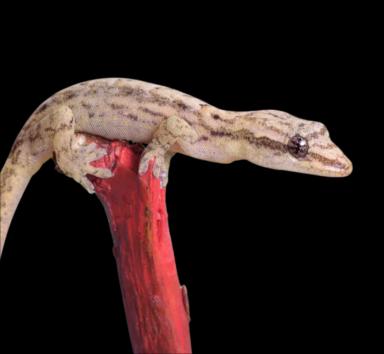
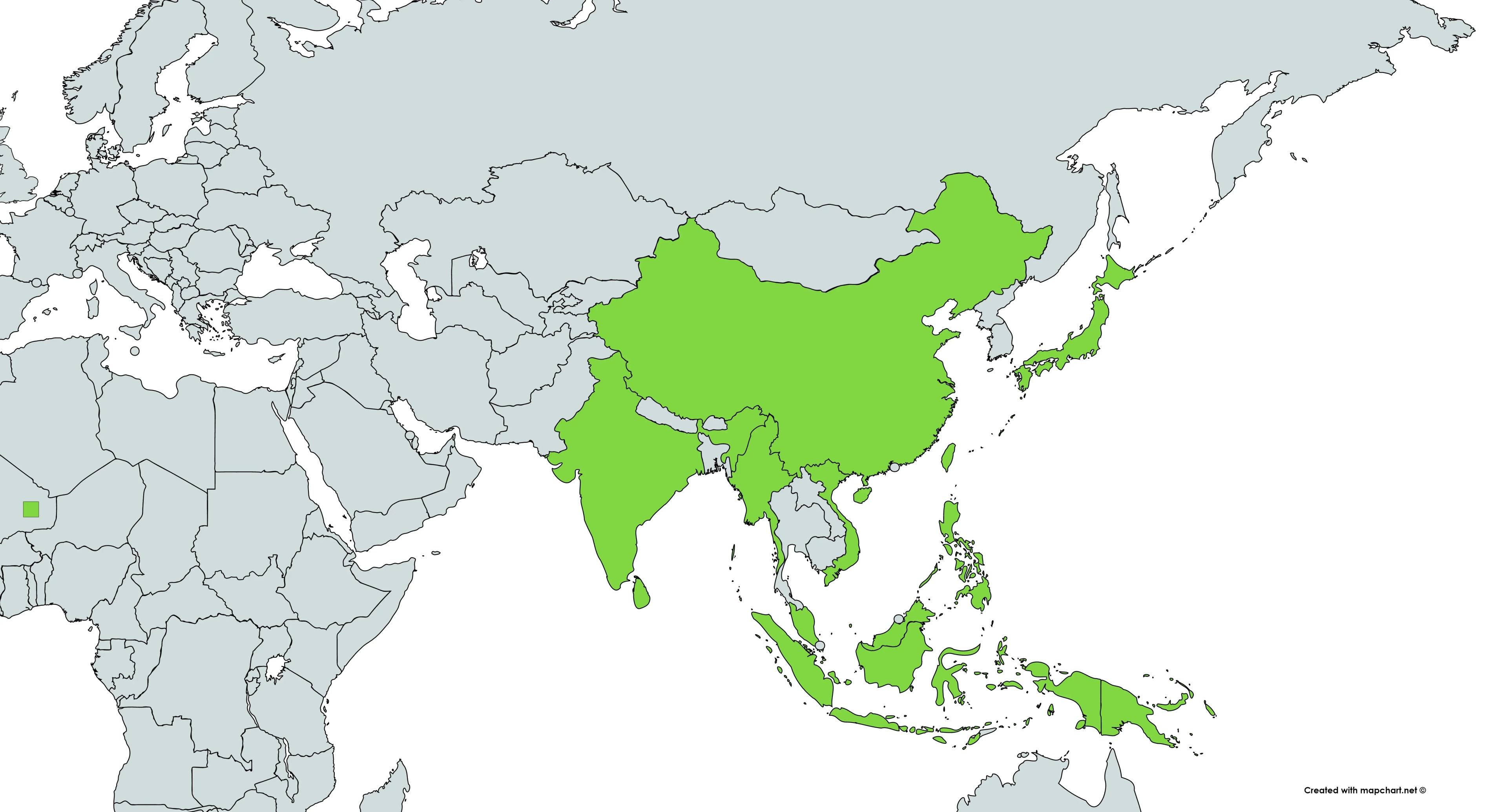
Mourning geckos (aka smooth-scaled geckos) are among the most widely distributed reptiles in the world. Simply put, they can be found in the South Pacific islands, in Central and South America, and Hawaii.
Mourning geckos are TINY — just 3.5” to 4” (8.5-10 cm) long, half of that length being a relatively thick tail used for fat storage. Despite their small size, however, they can live for as long as 10 years, and there have been some claims of 15 years.
Like many other gecko species, mourning geckos “fire up/down,” varying in color from brown to light tan, respectively. Discerning markings include a stripe from nostril to ear on both sides, light cream belly, and a zigzag or chevron-like dark pattern on their backs.
Mourning geckos are cathemeral, meaning they are irregularly active during both the day and night. They are primarily active at night, when they socialize with other geckos in the colony, hunt, and eat. In the wild, mourning geckos enjoy an omnivorous diet of nectar, fruit, fruit flies, and other small insects.
Mourning geckos are known for a very special characteristic: the entire species is female! How can this be? Parthenogenesis. Parthenogenesis is a type of asexual reproduction, which means they don’t need males to reproduce. Offspring, then, are essentially clones of their mothers. This adaptation is likely one of the reasons why mourning geckos have such a large native range.
Due to their ready breeding habits, mourning geckos are frequently kept as feeders for snakes, amphibians, invertebrates, and larger lizards. However, they can make fun, easy-to-maintain pets as well.
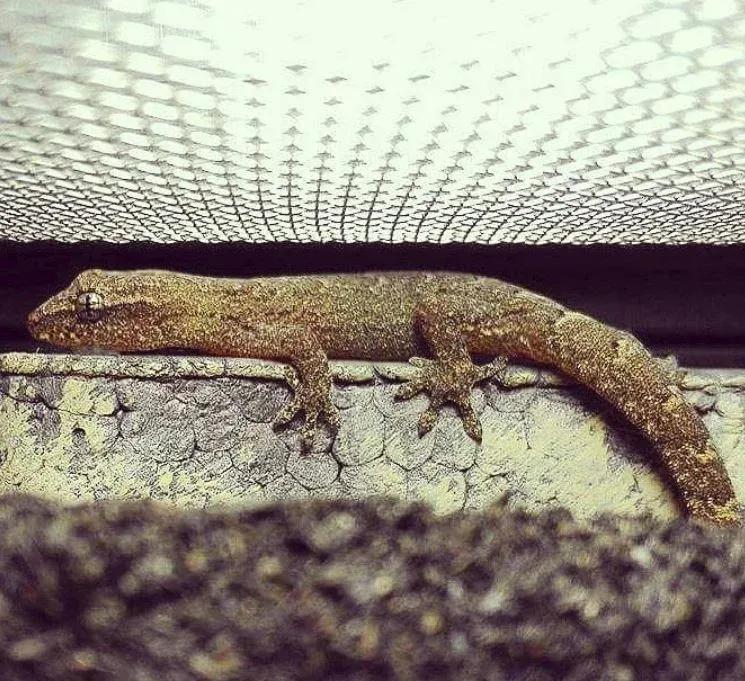
Photo used with permission from my.little.creatures
Can you tell that I love this species? <3
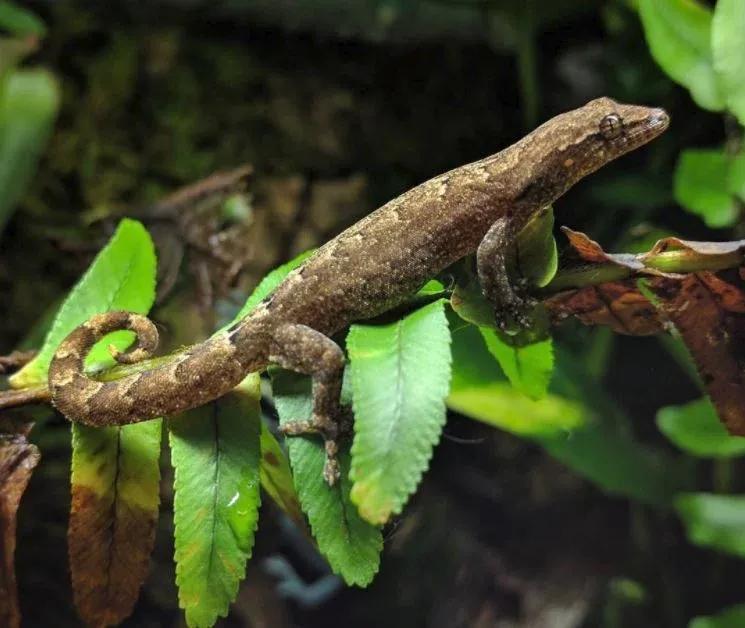
Photo used with permission from Woodland Manor Darts and Dragons @WMD_n_D