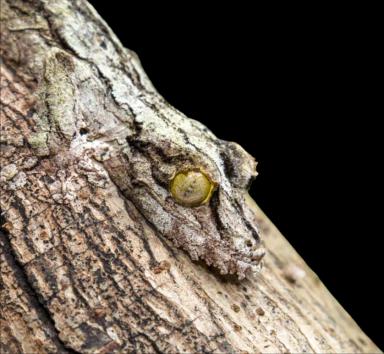
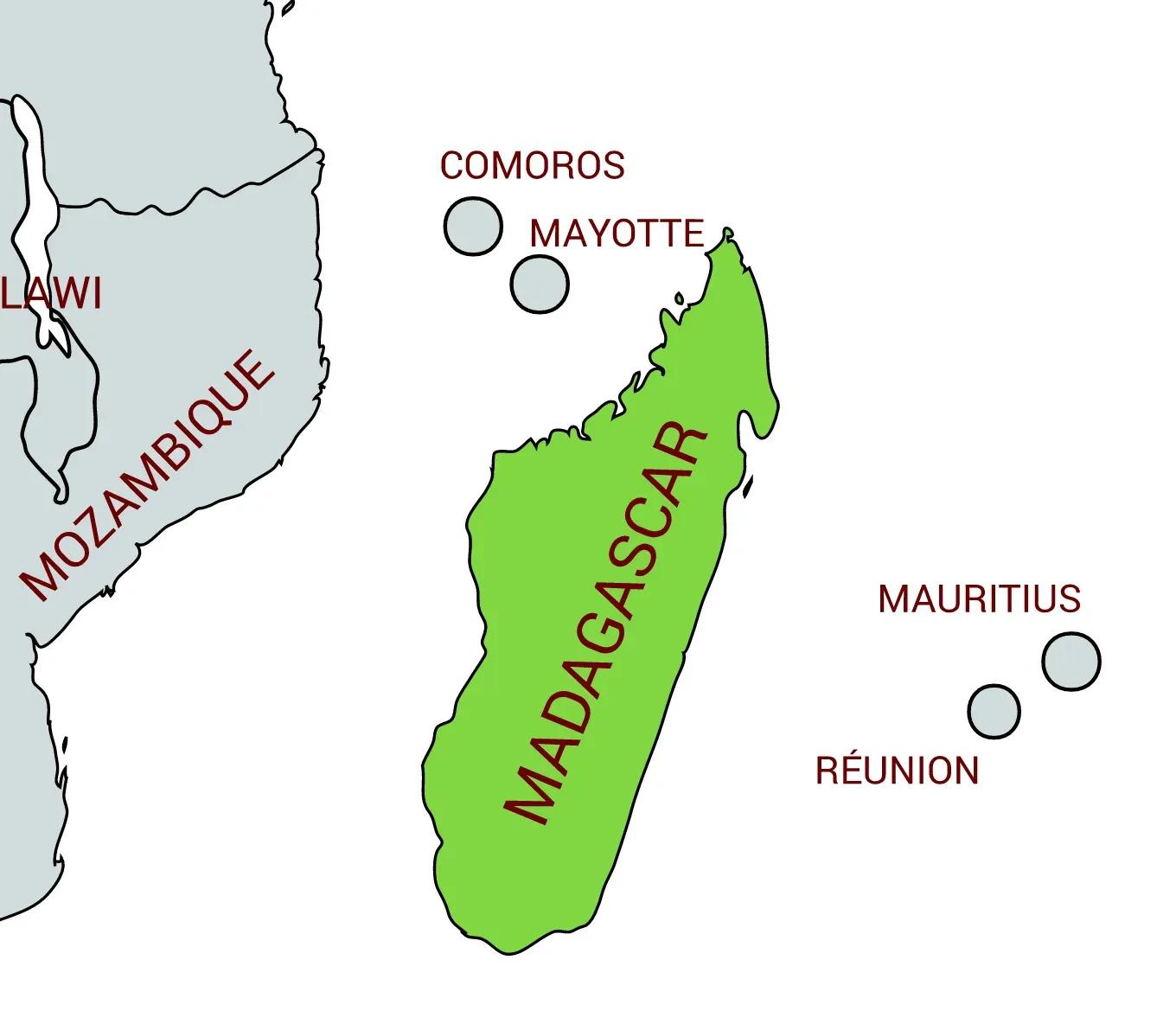
Leaf-tailed geckos are a crepuscular arboreal genus of geckos native to Madagascar, a large island located off the southeast coast of Africa. They are best known for their masterful camouflage, blending in flawlessly with their native surroundings.
This genus is comprised of 18 recognized species, categorized into 4 groups. (Those marked with an asterisk are most common in the pet trade.)
Uroplatus vary in length from 4”-13” (10-33 cm) long, depending on the species, although males tend to be larger than females in most cases. They typically live 5-15 years in captivity, depending on husbandry and origin; wild-caught individuals consistently have shorter lifespans than their captive-bred counterparts.
These geckos are crepuscular insectivores, which means that their diet is almost entirely composed of insects. “Crepuscular” means that they are most active at dawn and dusk, although they are more active at night than during the day.
Leaf-tailed geckos are the most protected of all gekkonids, protected under CITES Appendix II, which means that although they are not formally categorized as “endangered,” they may become so without trade restrictions. Among other species, they are primarily threatened by widespread deforestation on the island.
For this reason, some argue that it is the responsibility of hobbyists to breed Uroplatus to assist conservation efforts. That is a good point, and a project I might undertake someday. But breeding is never a project to be attempted idly, regardless of conservation status, and so this guide will not address the breeding of these species.
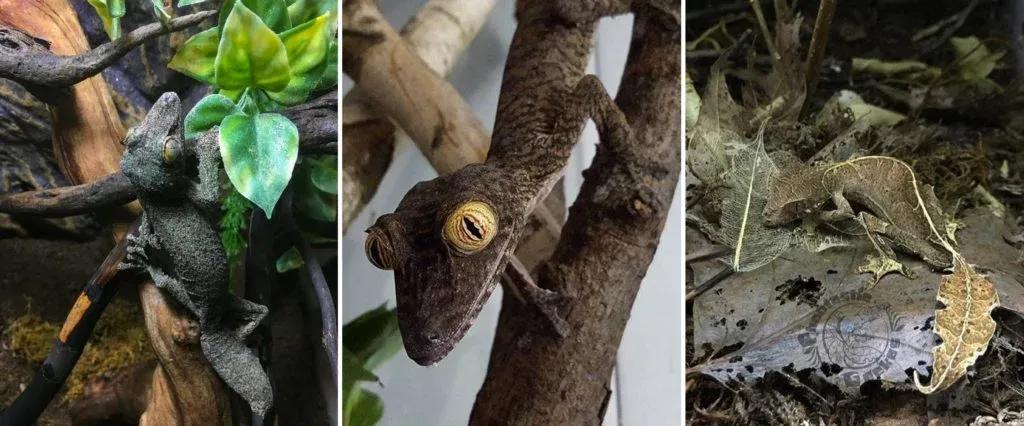
Left: U. sikorae by Mariah Healey, Middle: U. fimbriatus by James Muenchen, Right: U. phantasticus by Phantastic Geckos