Layer the substrate 2-4″ thick to aid in moisture retention and ambient humidity. Natural substrates should be spot cleaned daily and replaced monthly. For best results, use with a drainage layer like Zoo Med Hydroballs or The Bio Dude’s Hydrogrow to prevent the substrate from getting soaked.
I prefer natural substrates because they hold humidity better and they’re a lot more attractive. However, these substrate have loose particles can can pose an impaction risk to individuals smaller than 13g if they ingest it.
Bioactive substrates and enclosures are nice because they use symbiotic relationships between the animal (in this case, gargoyle gecko), plants, and certain detritivore species to break down waste. The result? Essentially a self-cleaning terrarium. For more information, read the files in Reptile & Amphibian Bioactive Setups on Facebook and check out my blog posts on the subject listed here.
Artificial substrates win no awards for being particularly attractive or natural-looking, and they can make maintaining humidity a bit challenging. That being said, they are cheap and easy to replace or clean, making them a favorite for many keepers. They’re particularly useful during quarantine! Solid substrates should be spot cleaned daily, and paper towels should be replaced at least weekly.
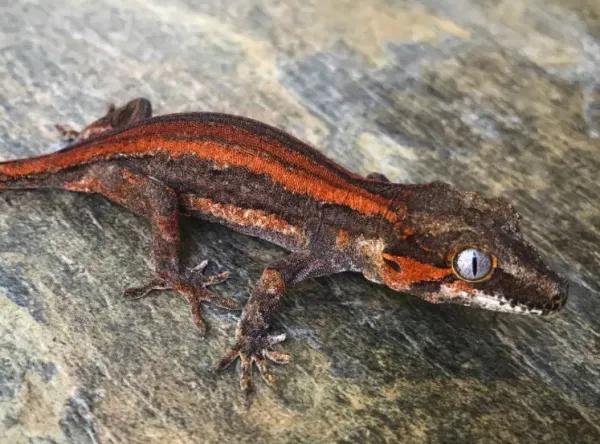
Photo by Nightshift Exotics
Some keepers argue that loose substrates should be never be used, due to the risk for impaction in geckos of any size. The good news is that these concerns are largely unfounded — as long as husbandry is correct, substrate impaction is not a significant risk. Larger geckos in particular are very capable of safely passing ingested particles. However, there are some substrates that pose too great a risk, even with precautions in place.
This page contains some affiliate links. To learn why ReptiFiles sometimes uses paid links, read here.