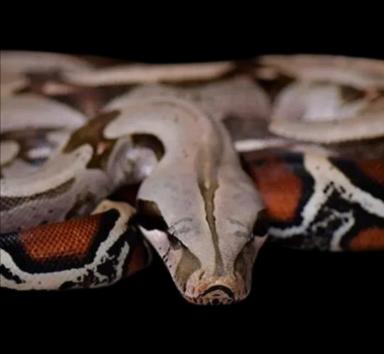
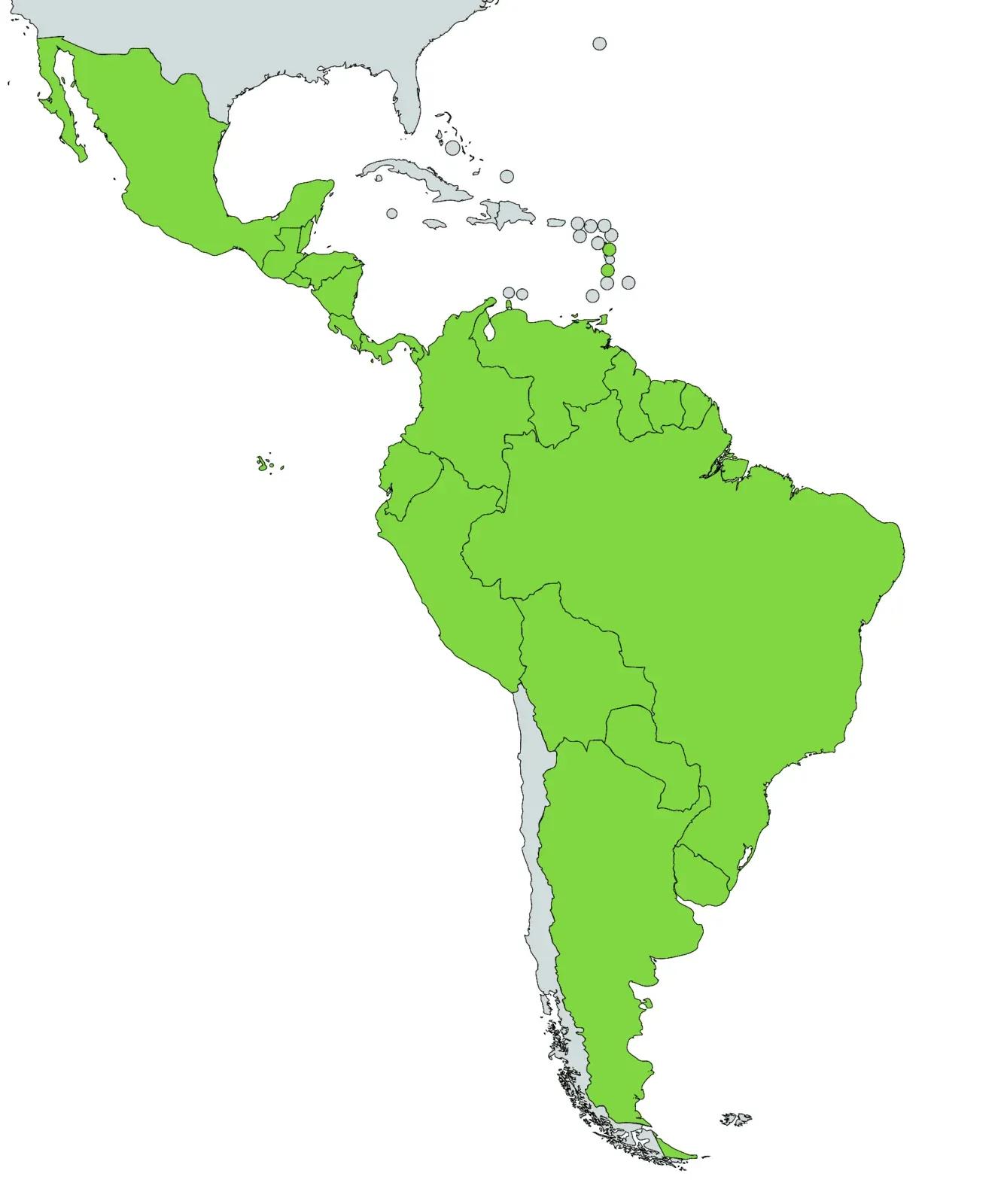
Boa constrictors are a medium to large, semi-arboreal genus of snakes native to Central and South America. Like many snakes, this species is surrounded by myths. Although they are often referred to as “boa constrictors”, although this is a bit of a misnomer that references just one of the 3 species:
The most common subspecies (marked by an asterisk) are known for placid temperaments and tame down easily. All subspecies will be described in further detail in section 2 of this guide: Members of the Boa Genus.
Boas are nocturnal, which means that they are most active at night. Their nightly activity consists mostly of hunting for prey such as birds and small mammals. Because they don’t have hands or arms to help them eat, they use their muscular bodies to squeeze captured prey until it passes out (which is a humane process that occurs within seconds [Boback et al., 2015]).
Depending on the subspecies, boas grow between 5-8’ (1.5-2.4m) long on average. The most growth occurs during their first 6 years of life, but a boa constrictor can keep growing through age 15. Females are generally significantly larger than males, with giants topping out at 10-12’ (3.0-3.7m) long.
With correct care, boas can live for 30 years. There have also been documented cases of boa constrictors which have reached 40. This means that when you take on a pet boa constrictor, you must be in it for the long haul.
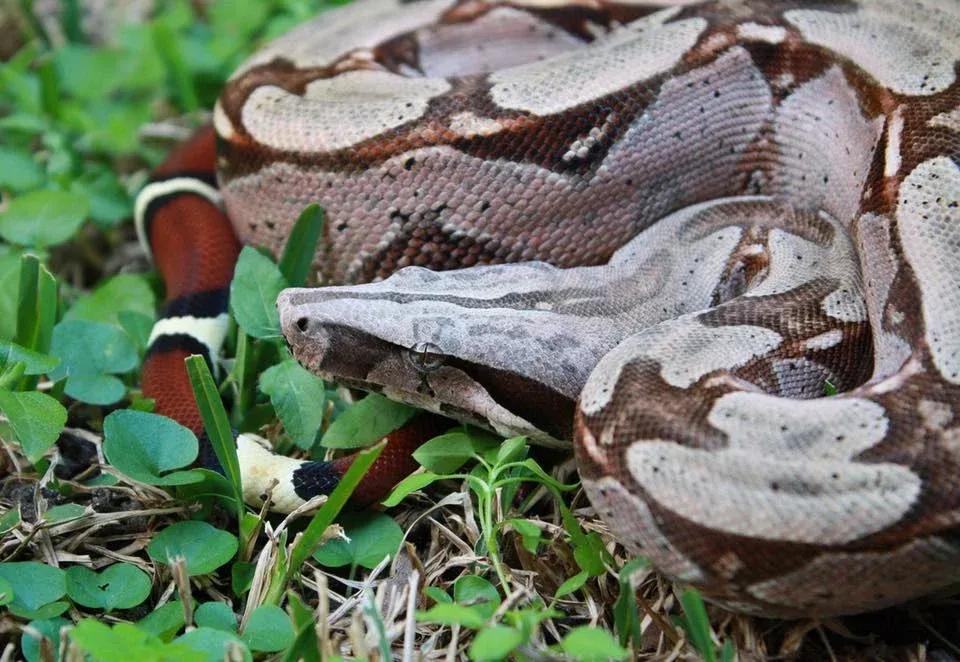
Photo contributed by David Watson