Product Review: Zen Habitats 4’x2’x2′ Meridian PVC Reptile Enclosure
November 11, 2022
ReptiFiles was provided a free Zen Habitats 4’x2’x2′ Meridian PVC Reptile Enclosure in exchange for an honest review, whether positive or negative. The review below is my honest, unbiased opinion. However, because Zen Habitats is a ReptiFiles sponsor, this article contains some paid links. For details on why Reptifiles uses paid links and sponsorships, click here.
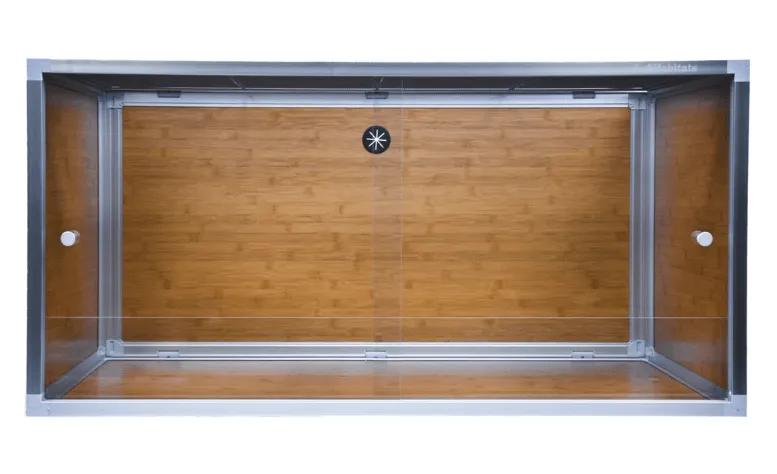
Glass aquariums and terrariums have long been the default choice for reptiles due to their ready availability, versatility, and attractiveness. However, they’re also heavy, fragile, and (in the case of aquariums) a major escape risk for pet snakes. The weight and natural limitations of glass as a material make glass reptile enclosures larger than 48” x 24” x 24” or so prohibitive to build, and even more so to ship!
PVC enclosures are another popular housing option for reptile owners in the United States. PVC is lighter and more durable — and most importantly, easier to ship — compared to glass. This makes PVC the natural choice in material for larger reptile enclosures. As “minimum” reptile housing standards rise and smaller enclosures become less practical, I expect PVC to completely overtake glass as the default material for reptile enclosures.
Of course, PVC enclosures’ size is one of their greatest challenges as well as assets. It’s most practical and cost-effective to ship these enclosures flat-packed, with a build-it-yourself installation approach. However, not everyone is particularly handy (myself included), and so enclosure setup can pose an intimidating obstacle to the excitement of setting up a new reptile. In fact, it can be so intimidating that it becomes tempting to opt for a smaller, less functional (and potentially inappropriate!) pre-assembled glass terrarium just to avoid the problem.
It’s been a while since the last time I reviewed a Zen Habitats reptile enclosure (in the past I’ve reviewed both their standard wood and PVC options). What better way to return to the subject than with their new product, the Meridian?
Product Specs
- 4’L x 2’W x 2’H
- Bamboo-printed PVC panels
- Lightweight aluminum framing
- Acrylic sliding doors with knobs
- “Cat-proof” steel mesh top
- Weighs 48lbs when assembled
- Ships flat
- Pop-up assembly and collapsible takedown
- Stackable
- All necessary tools and hardware included
- Included: substrate dam
- Included: humidity shield
- Included: wire door lock and door wraps
- $489 USD* with free shipping
- 5-year limited warranty
*as of the date of this review
Discussion
Unboxing
The Meridian arrived in great condition. The box…well, let’s be real: damage is to be expected with large packages. The important thing is that the enclosure pieces inside were unharmed and ready to go! The panels, framing, and acrylic were all absolutely pristine. Although the Meridian wasn’t quite as extensively cushioned with foam and plastic as I’ve experienced previously, clearly that wasn’t cause for concern.
In the past, Zen Habitat enclosures used thinner panels that were flimsier and more prone to damage, so I took the time to check whether they’ve fixed that particular problem. The answer is yes! The Meridian’s panels are thicker, less “flimsy,” and more difficult to damage by accident.
Assembly
Ease of assembly is the main selling point of the Zen Habitats Meridian product line, so let’s get right to it, shall we?
The first difference between unboxing a Meridian 4x2x2 enclosure versus Zen’s other enclosures is that the bottom, back, and top of a Meridian come partially assembled and connected to each other via hinges! That made the first step of putting this enclosure together simply popping it up so the mesh top is above and the PVC floor is below.
The second step was inserting the two side panels, which also come pre-attached to the aluminum frame. This involved simply popping the panels into place, then securing them with the eight included screws and hex key/wrench. This did require flipping the enclosure over for access to the floor panel, but the enclosure is so lightweight that the only real (and minor) challenge was managing the enclosure’s bulk.
After that, I only had to pop in the wire port plug, two acrylic door panels, and the door knobs, which went in without a hitch. Honestly, the hardest part was just removing the protective paper/film from the acrylic.
The best part, though? It all really did go up in about 10 minutes! No hammering, no struggling with stubborn joints, no trying to figure out what goes where. Everything was extremely intuitive — I would go so far as to call it “stupid simple”! And takedown is just as easy.
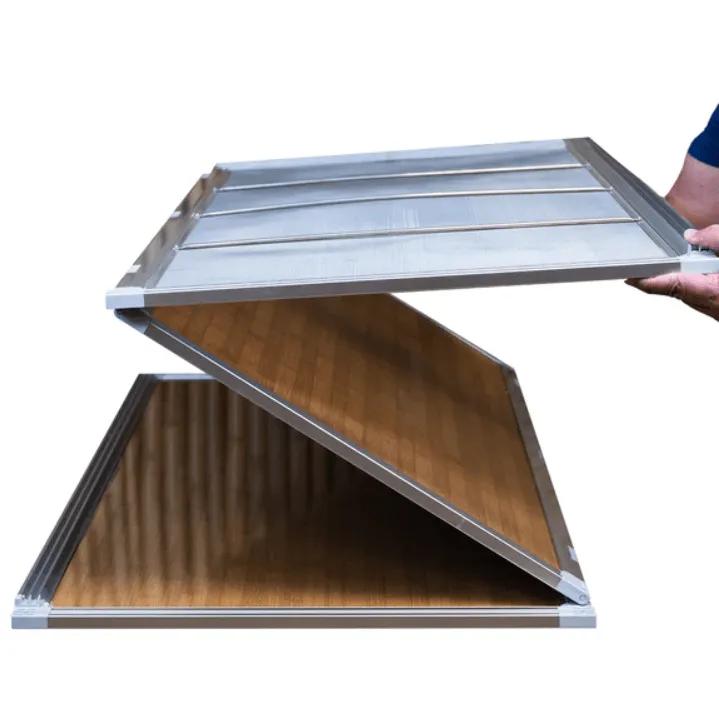
I ended up setting up and using this enclosure for the ReptiFiles educational table display at the Wasatch Reptile Expo, so I didn’t install any of the enclosure’s little long-term features (substrate dam tape, door wraps, wire door lock). However, I was genuinely impressed with the ingenuity and attention that went into this enclosure and its features.
There are multiple sizes and options available for this enclosure. The Zen Habitats Meridian Reptile Enclosure that I reviewed measures 4’L x 2’W x 2’H, but here’s a full list of what Zen has available as of November 2022:
- 2’L x 2’W x 2’H (PVC)
- 48”L x 24”W x 16”H (PVC)
- 4’L x 2’W x 2’H (wood)
- 4’L x 2’W x 2’H (PVC)
- 2’L x 2’W x 4’H (PVC)
- 4’L x 2’W x 4’H (PVC)
Ventilation is quite good. Standard practice in US-based PVC reptile enclosures is still a conservative series of slots on the back or sides of the enclosure. It’s better than nothing, but it still results in rather abysmal air circulation, which is how these enclosures hold onto humidity so well. Rather than saying that they “promote humidity,” I find it more appropriate to describe such designs as “promoting stagnation.” Stagnation is a problem, of course, because it encourages pathogen growth and becomes a health risk. The Zen Habitat’s full-mesh top, however, is excellent at promoting healthy air circulation.
The mesh is extremely strong. In fact, it’s rated to resist up to 100lbs! (but please, don’t test this at home) This means it can withstand the weight of all your heating and lighting equipment, plus your pet cat(s) if they have a penchant for sitting on reptile enclosures.
The door wraps and wire door lock are quite ingenious! Both of these features are relatively new, as despite the fact that I’ve set up three Zen enclosures previous to this one, I’ve never seen them before. The door wraps are a wonderful natural workaround for acrylic’s natural flexibility, which can cause some issue with sagging-related rubbing and scratching, as well as escape potential for particularly persistent snakes. The wire lock is also a very simple solution for preventing the doors from opening when they’re not supposed to.
The doors are made of acrylic. While lightweight and durable, this does mean that the Meridian’s doors are also prone to getting scratched. While there are products out there for repairing scratched acrylic rather effectively, if you have a pet that has sharp claws and a penchant for glass-dancing (bearded dragons, uromastyx, etc.), this aspect of any Zen enclosure is going to become an inconvenience.
The hinged design creates gaps in the frame. While Zen’s assembly video provides a couple of pointers on how to mitigate this natural complication in the Meridian’s design, the fact remains that hinges are not capable of creating a watertight seal. This is fine if you don’t plan on using a fine-particled substrate and/or you’re not using live plants, but otherwise, without taking additional measures to seal the base of the enclosure, you can expect water leakage and escaped sand/soil particles.
Summary
Things I Liked About the Zen Habitats Meridian PVC Reptile Enclosure
- Everything is shiny and pristine and new-looking right out of the box.
- Assembly and disassembly are intuitive and incredibly quick.
- Sturdy panels (not flimsy!).
- PVC is compatible with all humidity needs.
- Rust-proof framing.
- Great ventilation.
- Screen top = easy placement and re-placement of lighting and heating equipment.
- The screen is strong enough that you never need worry about it collapsing.
- Substrate dam is great for accommodating loose substrate without having to clear out the door tracks every day.
- Door wraps are great for stabilizing the acrylic doors.
- The enclosure itself is lightweight and relatively easy to maneuver.
- Variety of functional sizes available.
- Spacers available for stacking without resorting to installing lighting/heating inside the enclosure.
As a side note, because I used this enclosure as an expo display piece, I ended up getting a LOT of questions about it. Zen’s signature bamboo aesthetic proved eye-catching and extremely popular with both current and prospective reptile owners.
Things I Didn’t Like About the Zen Habitats Meridian PVC Reptile Enclosure
- Acrylic doors don’t last as long as glass or polycarbonate.
- The mesh can be rough on human skin (I scraped my knuckle enough to draw blood while arranging lamps).
- The hinged seam at the base is difficult to seal with silicone for naturalistic and bioactive setups.
Finally, I do have one complaint which is, admittedly, odd: This enclosure is obviously ideal for use in temporary displays. Considering the wear and tear on the cardboard shipping box, I would not mind paying for a more durable case for transporting and storing the Meridian when it’s not in use.
Conclusion: Beautifully innovative and luxuriously convenient!
ReptiFiles Rating: 5 stars
Zen Habitats is only getting better with time. Yes, the Meridian PVC Reptile Enclosure is tricky to seal, acrylic doesn’t age well, and is the only reptile enclosure to claim the privilege of drawing my blood. But more importantly, it also offers sturdy design, attractive aesthetic, impressive ventilation, and unsurpassed ease of setup.
Streamlining setup is a priority for all PVC reptile enclosure manufacturers, and I’ve seen a variety of attempted solutions to the problem. However, none of these proposed solutions appear to be as straightforward as what Zen Habitats has come up with their Meridian. For all intents and purposes, this enclosure is essentially perfect. I really can’t ask for better from a set-it-up-yourself reptile enclosure. The Zen Habitats sets a new standard for ease of assembly in reptile enclosures, and after experiencing this level of luxurious convenience, I don’t know if I can make myself go back to anything else.
Is the Meridian more expensive than Zen Habitats’ other wood and PVC designs? Yes. For some of you, I understand that may be something of a disappointment, as up to this point, Zen has primarily dominated in the “budget reptile enclosure” category. However, is the Meridian also worth the extra investment? 110% YES.
The Zen Habitats 4’x2’x2′ Meridian PVC Reptile Enclosure can be used for housing small to medium-sized terrestrial to semi-arboreal snakes and lizards such as:
- African fat-tailed geckos
- Ball pythons
- Bearded dragons
- Blue tongue skinks
- Collared lizards
- Corn snakes
- Garter snakes (<48” total length)
- Kenyan sand boas
- Kingsnakes (<48” total length)
- Leopard geckos
- Milksnakes (<48” total length)
- North American hognose snakes
- Rosy boas
- Sheltopusiks
- Uromastyx (<18” total length)
**click any of the above links to see a ReptiFiles care sheet/manual on the mentioned species**
Order the Zen Habitats 4’x2x2′ Reptile Enclosure with PVC Panels here!
Comes with free shipping!
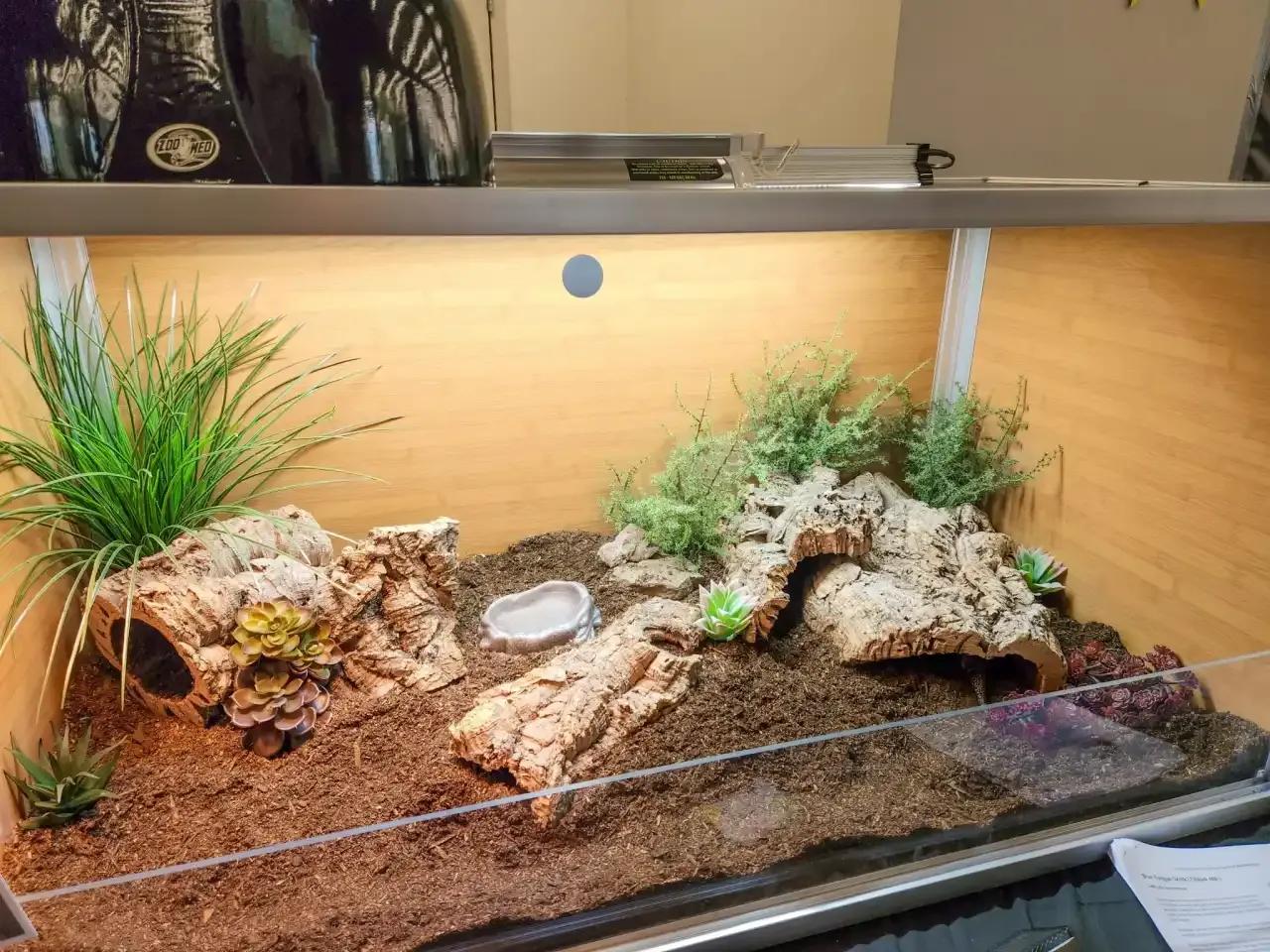
ReptiFiles’ tips for success with the Zen Habitats Meridian PVC Reptile Enclosure:
- Watch the assembly how-to video! https://youtu.be/S_vh8OuPbWg
- Place all lighting on top of the mesh rather than installing it underneath.
- Replace the acrylic doors with Zen’s glass upgrade option.
- If you’re struggling with your humidity levels, rather than using the humidity shield (which is likely to interfere with your lighting arrangement anyway), try misting more frequently and/or using a reptile humidifier.
- Seal the basin of the enclosure or use a liner if you want to go naturalistic or bioactive.
Are you a reptile product manufacturer with an awesome new product that you want the world to know about?
Reach out to Mariah at [email protected] to pitch your product for review!
Comments
Authenticated users can leave comments on this post. All new comments are given the status "draft" until they are approved by an admin. Draft comments are not accessible to the public and will not show up on this page until it is marked as "published". To manage all comments, navigate to the admin dashboard.